
What Are The Warning Signs Of Damaged Roof Flashing?
Admin
Author
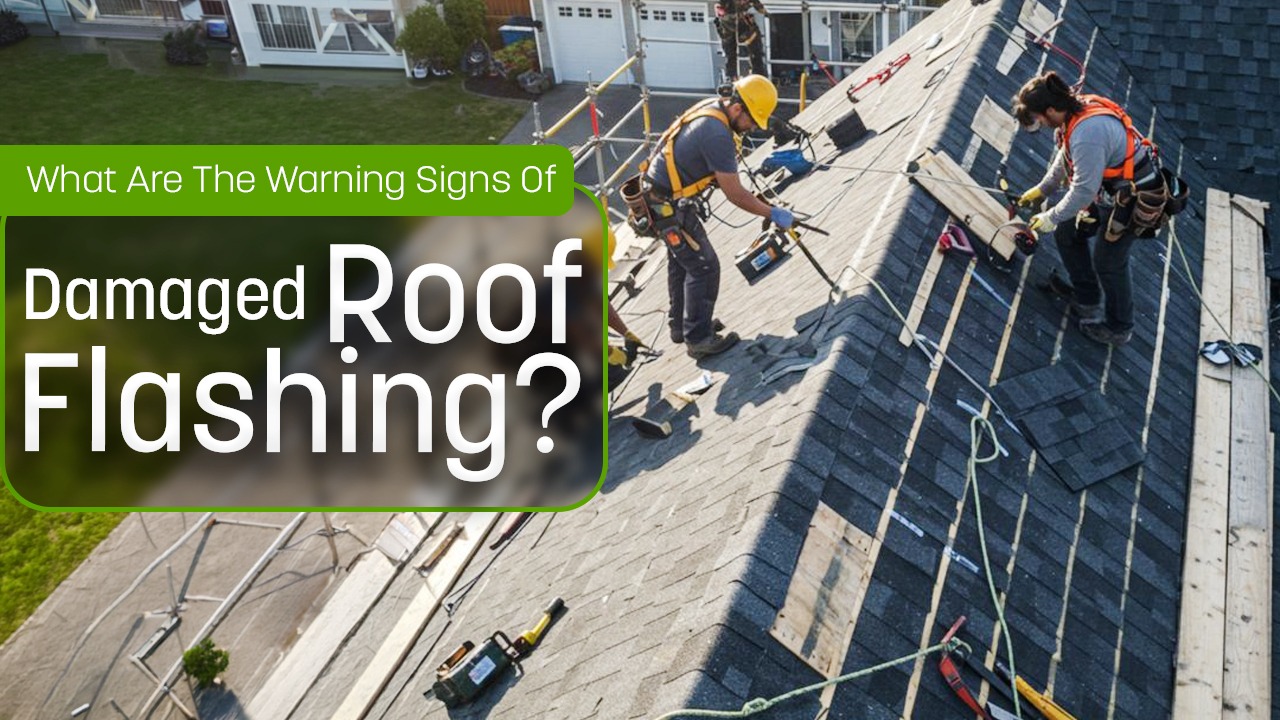
Roof flashing is the unpraised hero of your home’s waterproofing system. These thin metal sheets are installed at critical joints and the areas which are more prone to damage, such as chimneys, skylights and vent pipes. These are helpful in detecting water away from the seams and towards the shingles. It is designed to last for decades as it is continuously exposed to the harsh weather conditions, leading to a process of becoming worse. It is to keep a continuous check on any damage to flashing because ignoring damaged flashing can lead to extreme water damage, mould, and structural rot. There are certain warning signs of damage flashing that are easily detectable, and experiencing any of the signs means a damaged roof flashing that requires quick repair. Let's discuss in detail the major warning signs of damaged roof flashing in this blog.
Below are the key warning signs for damaged roof flashing to look for:
Rust and corrosion on metal surfaces
Metal flashing, particularly the galvanised steel one, will unavoidably rust over time when exposed to moisture or rain for a long time. The rust on the flashing will appear as red-brown stains, rough textures or flaking, which compromises the metal's integrity and creates tiny pinholes. Aluminium flashing may show white powdery oxidation. Once the rust has formed on the flashing, it can no longer resist the water, leading to roof leakage. In this condition, it might require a cleaning, sealing or a full replacement service depending on the complexity of the situation.
Loose, bent or detached flashing
High winds, heavy snow loads or structural settling can cause flashing to lift or curl away from the roof surface. If the flashing is flapping in the wind, it is no longer sitting flush against the roof or vertical surfaces. These gaps in the roof become the direct entry points for rain. Whereas, the loose, detached or bent flashing signals about damage caused by the extreme rain or wind.
Missing pieces of flashing
In severe storm scenarios, flashings can be completely torn off from the roof. If you see any empty spots in the critical areas, mainly around chimneys or roof valleys, it is a major indicator that your roof is exposed to the environment and needs quick servicing to prevent more severe damage. The missing flashing on the critical areas will definitely lead to leakages during the next rainfall.
Cracked sealant
Metal flashing is sealed with specialised sealant to prevent water from slipping behind the metal sheets. This sealant is designed to expand and contract, but over time, UV rays and temperature fluctuations cause it to crumble, dry out and crack. Cracked or missing caulking around chimneys and vents is the clear signal that the waterproofing seal has failed and can cause water to leak out and require quick repair.
Conclusion
Roof flashing is a critical component for maintaining the waterproofing barrier of the roof throughout the seasons. Damaged flashing, often caused by strong winds or material aging acts as a primary support for the water to enter the interior of the home leading to severe issues like rotten wood and damaged interior ceilings. The warning signs, such as rust, visible gaps, lifted metal edges and internal stains, should never be ignored. Ignoring these signs can make the minor issues turn into more severe structural damage, which can be extremely costly to maintain and repair. This expensive repair cost can be prevented by doing regular roof inspections, especially looking for any damage in critical areas, at least twice a year, especially after the rainy season, for early detection of any issue. If you find any damaged flashing, immediately look for a professional roof repair service provider. All Care Pros provide you with professional roofing leak repair services to protect your home interior from any further damage under the supervision of our expert.
FAQs
Can I fix flashing myself?
You can do temporary fixes like applying a sealant to temporarily prevent the water leakage in the cracked sealant roof. In other scenarios, it is highly recommended to hire a professional to prevent any further damage to the roof.
How long does roof flashing last?
Roof flashings are designed to last for a long time, and well-installed metal flashing can last up to twenty to thirty years, but it also depends on the quality of material used for it and the climate.
Share this